

National Love Your Skin Day
Most of us love holidays. They give us the opportunity, or excuse, to devote some additional attention to a thing or a cause that is important to us. Aside from the federal holidays and those special ones, like Valentine’s Day, there are additional holidays that provide us the opportunity learn, to act, or to just have fun. National Donut Day provides an excuse to binge on donuts, National Snuggle a Chicken Day (yes, it is a holiday, celebrated on January 8th) reminds us to spend some special time with our feathered friends, and Earth Day gives us many opportunities to engage in activities that can help the environment, such as cleaning up trash or planting trees.
Some of these extra holidays were created to help us focus more on self-reflection and improvement. One of these is National Love Your Skin Day, introduced in 2020 by a cosmetics company, Dermastart. The goal of National Love Your Skin Day is to draw attention to the importance of protecting our skin by developing a skincare routine that includes simple elements such as moisturizing, using sunscreen, and drinking lots of water.[i]
The History of Skincare
The skin is the largest and one of the most important organs in the body, functioning as a protective barrier between the external environment and the internal organs. It regulates body temperature and prevents loss of moisture, enables our sense of touch, and protects against entry from harmful germs and UV radiation. Though past cultures might not have known about all the many functions of skin, they did take an interest in protecting it. The first proof of skincare regimens was found in Egypt and dates to around 3000 BCE, or 5000-6000 years ago; and remarkably, the goals were much the same as they are now. The ancient Egyptians used oils to counteract wrinkles and cleansed their skin with a soap paste of clay and olive oil.ii]. Egyptian women used honey and milk masks to moisturize and used sea salts to exfoliate. Cleopatra, possibly the original fashionista and cosmetics expert, is said to have bathed in sour milk – not a bad idea considering sour milk contains lactic acid, a naturally occurring α-hydroxy acid (AHA).[iii]
Fast forward to the 1800s when exercise, cleanliness, and skincare began to be highly esteemed.2 Hygiene products became less expensive and more widely available. Food-based products, such as egg yolks, honey, and oatmeal were used to soften skin. During this century, Chapstick, Vaseline, and baby powder were invented. And, in 1872, the first cosmetics company, Shiseido Company, was founded in Tokyo, Japan. The commercial interest in skincare continued into the 20th century and companies devoted to skincare and cosmetics began to emerge in mass. By the 1980s, “natural” skincare products became popular with such brands as Burt’s Bees. Skincare products including cosmetics and personal care products have become such an integral part of the history of American society that they have their own section in the Smithsonian as part of the Medicine and Science Collections.[iv]
Beauty From Within
The concept of “Beauty from Within” which encompasses the use of food and supplements to promote healthier skin probably originated in Asia, particularly in Japan where green tea and bone broth are part of traditional Asian medicines.[v] However, the marketing of products taken internally that are designed to benefit the skin didn’t officially begin until sometime in the late 1980’s when a Swedish biochemist, Ake Dahlgren, coined the term, nutricosmetic, and launched the first nutricosmetic product, Imedeen brand.[vi] Dahlgren’s premise was that skin cells could absorb nutrients from circulation, which would in turn improve the appearance of the external surfaces of the skin. His catchphrase was, “Beautiful skin begins within”. Though many believed this concept to be a marketing ploy, the trend caught on; and by the early 1990s, nutricosmetics and cosmeceuticals began to make their way into the mass market. By 2013 when NutraIngredients published an article on the topic, Dahlgren’s theories on beauty from within had been supported by a significant body of clinical data.
Nutricosmetics are now defined as ingestible products, ranging from pills and capsules to foods and beverages, that are formulated and marketed specifically for beauty purposes.[vii] According to the description of this definition in the Handbook of Cosmetic Science and Technology, “Such products are at the intersection between nutrition and personal care”, distinguishing them from cosmeceuticals or nutraceuticals. “Cosmeceuticals are at the intersection between cosmetics (products that simply clean and beautify) and health care (products that cure and heal)[viii] and are defined as topical cosmetic products that claim to have medical- or pharmaceutical-like benefits”.[ix]
So here we are in 2023, gazing at the market data through clear eyes, shiny hair, and flawless skin – or at least we are headed in that direction. According to a Mordor Intelligence report, the Nutricosmetics market size is estimated to be over $8 billion in USD in 2023 and could reach almost $12 billion by 2028, growing at a CAGR of 8.05% between 2023 and 2028.[x] There are several factors driving this trend. The global population is aging, giving rise to an increased demand for both topical and ingested products that make us look and feel younger and healthier. We are also still emerging from a multi-year pandemic, which has caused many of us to take a closer look at how well we are taking care of our bodies.
Ingredients That Deliver Benefits Inside and Out
Vitamins and minerals have played a major role in skin, hair, and nailcare products since the beginning, but now they are joined by an increasing number of other ingredients with attributes that benefit the appearance and health of the external surfaces of the body, and help individuals manage certain skin disorders, like psoriasis. According to Global Market Insights, most products within the nutricosmetics market contain carotenoids, vitamins, and/or omega-3 fatty acids.[xi]
Carotenoids found in skin primarily originate from our diet. They accumulate in the epidermis and help provide the protective barrier from environmental stress.[xii] They help protect the skin from oxidative stress caused by UV radiation, air pollution, and smoking, which are key factors that result in premature aging. Carotenoids, such as astaxanthin, lycopene, β-carotene, and lutein are especially effective as photoprotectors against premature skin aging and skin cancer. Astaxanthin derived from the microalgae, Haematococcus pluvialis, is a particularly beneficial for its various roles in skin protection.[xiii]
Omega fatty acids are frequently found in both topical and nutricosmetic skincare products, and justifiably so. Omega-3s are critical nutrients in the body, and are often deficient in the western diet, because of the preponderance of food fats derived from linoleic acid (LA), an omega-6 essential fatty acid. Omega-3s are critical for healthy inflammatory responses throughout the body as well as for benefits in maintaining skin barrier function.[xiv],[xv] Most commercially available omega-3 fatty acids are sold in the form of fish oil, containing the long-chain omega-3s, eicosapentaenoic acid (EPA) and docosahexaenoic acid (DHA). Vegetarian sources of EPA and DHA can be derived from algae. Other fats, such as flaxseed, chia seed and hemp contain alpha-linolenic acid (ALA), the essential fatty acid precursor for EPA and DHA. Since many people have difficulty converting ALA into the longer chain omega-3s, supplementation with EPA and DHA seems logical. However, there are other beneficial omega-3s that are intermediates in the conversion to EPA and DHA, including eicosatetraenoic acid (ETA), docosapentaenoic acid (DPA), and especially stearidonic acid (SDA).
There are also some of the longer chain omega-6s (such as gamma linolenic acid (GLA)) and omega-9 fatty acids (oleic acid (OA) that are important for our body’s overall fatty acid balance and benefits to the skin as well. For overall health benefits that directly and indirectly include the skin, an excellent option would be a multi-omega fatty acid that is low in LA. Ahiflower seed oil is a vegan multi-omega that is low in LA and particularly high in the omega-3, SDA. It provides a balanced approach to omega fatty acid supplementation.
Though not in the top 3 ingredient types recognized for their inclusion in skincare products, one of the most familiar ingredients that has a history in skincare is collagen. Collagen, in the form of gelatin (basically cooked collagen made from animal byproducts) gained popularity in the early 20th century as a marketing endeavor. The rationale was that a cow’s hooves are strong, so consuming gelatin from cow hooves could make human nails strong as well.[xvi] This might not have been the best starting point in recognizing the benefits of collagen, but it did begin a more scientific dedication to finding out how this important protein can benefit the body. There are 28 identified types of collagen found in the human body; and since different types of collagen function at different locations in the body, many products sold today contain one or more specific types. Skincare products usually contain Type I, though many will also contain other types known to be found in the skin, hair, or nails, such as Types III, IV, and V. Once digested, all collagen types are broken down into smaller chunks (peptides and individual amino acids) that are virtually the same, regardless of the type of collagen consumed, but these can provide the critical building blocks for the body to assemble into specific collagen types as needed.
Collagen is an animal product and most commercial collagen comes from the skin and hooves of cows or pigs, or from chicken sternal tissue. Eggshell membrane, that tough thin material in between the hard eggshell and the white and yolk of the egg, also contains Types I, V, and X collagen. Eggshell membrane contains other nutrients that may provide additional benefits to the skin, hair, and nails as well, such as glycosaminoglycans (GAGs), like keratin sulfate.[xvii] And eggshell membrane has the advantage of being appropriate for ovo-vegetarians. Vegan sources of collagen do not exist naturally. Most commercially available “vegan collagen” contains either precursors for the body’s production of collagen, such as specific vitamins and other nutrients, or it is made from genetically modified yeast and bacteria.
How we look as we progress through life is often merely a reflection of how we feel on the inside. Genetics does play a role, but so do our lifestyle choices. Are we staying active, eating a healthy diet, and involved in something we love that also benefits those around us? These, along with a few extra supplemental and topical nutrients, can work together to help achieve a healthier skin appearance.
But, ultimately, we must all continually keep in mind that true beauty is more than skin deep.
[i] https://nationaltoday.com/national-love-your-skin-day/
[ii] https://www.inbmedical.com/the-evolving-role-of-skincare
[iii] JAMA Dermatol. (2017) 153(10:1006
[iv] https://www.si.edu/spotlight/health-hygiene-and-beauty/skin-care
[v] INFORM magazine. (2018) Beauty from Within. https://www.aocs.org/stay-informed/inform-magazine/featured-articles/beauty-from-within-may-2018?SSO=True
[vi] https://www.nutraceuticalsworld.com/issues/Beauty-IO-2013/view_features/a-fresh-look-at-nutricosmetics-where-are-we-now/
[vii] Carrie, M. Nutricosmetics: Decoding the convergence of beauty and healthcare. In “In-Cosmetics” Conference, Amsterdam, April 15-17, 2008.
[viii] Kaur, I.P. & Agrawal, R. (2007). Nanotechnology: A new paradigm in cosmeceuticals. Recent Patents on Drug Delivery & Formulation, 1, 171-182.
[ix] Taeymans, J., Clarys, P., & Barel, A.O. (2014). Chapter 55: Use of food supplements as nutricosmetics in health and fitness. In A.O. Barel, M. Paye, & H.I. Maibach (Eds.) Handbook of Cosmetic Science and Technology 4th edition (pp. 583-596) CRC Press.
[x] MordorIntelligence. Nutricosmetics market size & share analysis – growth trends & forecasts (2023-2028). https://www.mordorintelligence.com/industry-reports/nutricosmetics-market
[xi] Global Market Insights. nutricosmetics market – by product type (tablets and capsules, powder and liquid, gummies, and soft chews, by ingredient (carotenoids, vitamins, omega-3 fatty acids) by application (skin care hair care, nail care), by distribution channel & forecast, 2022-2030. (2022). Report ID: GMI4040
[xii] Balić, A. & Mokos, M. (2019). Do we utilize our knowledge of the skin protective effects of carotenoids enough? Antioxidants (Basel), 8(8), 259.
[xiii] Davinelli, S., Nielsen, E., Scapagnini, G. (2018). Astaxanthin in skin health, repair, and disease: A comprehensive review. Nutrients, 10(4), 522.
[xiv] Thomsen, B.J., Chow, E.Y., Sapijaszko, M.J. (2020). The potential uses of omega-3 fatty acids in dermatology: a review. Journal of Cutaneous Medicine and Surgery, 24(5), 481-494.
[xv] Neukam, K., De Spirt, S., Stahl, W., et al. (2011). Supplementation of flaxseed oil diminishes skin sensitivity and improves skin barrier function and condition. Skin Pharmacology and Physiology, 24(2), 67-74.
[xvi] https://oureverydaylife.com/177558-knox-gelatin-for-nail-growth.html
[xvii] https://my.clevelandclinic.org/health/body/23204-keratin#:~:text=Keratin%20is%20a%20protein%20that,your%20nails%20and%20hair%20healthy.

Beyond the Hype: When It Comes to Eggshell Membrane, Let the Science Speak
As interest in eggshell membrane collagen continues to grow
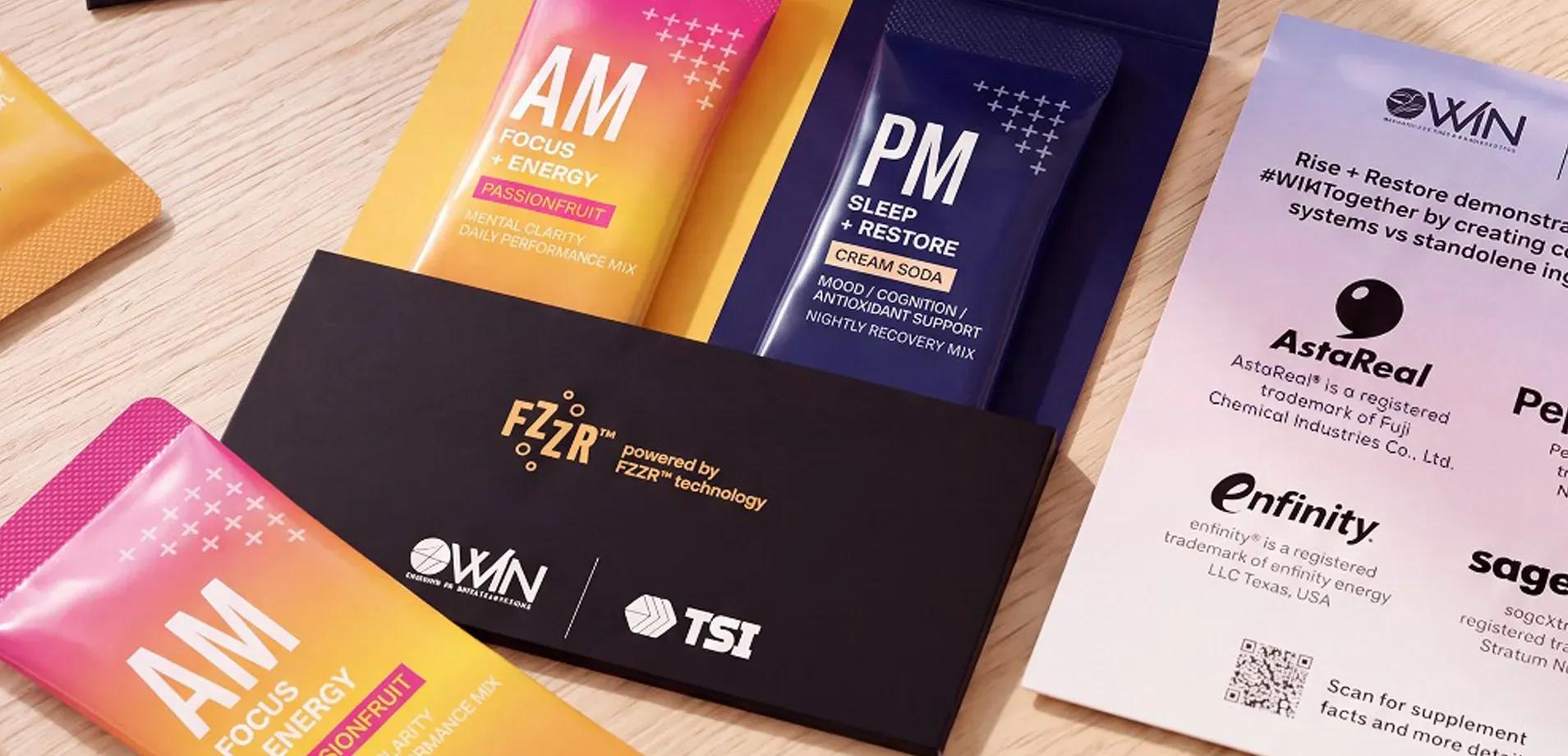
Women In Nutraceuticals (WIN) Companies Unite to Showcase Outcome-Focused Supplement Innovation at SupplySide Global
As consumers increasingly seek convenient, outcome-focused wellness solutions

Vitafoods Asia 2026: Strengthening Connections and Exploring Opportunity Across APAC
For Stratum Nutrition, industry events are about more than being present;



.svg-6af5dfb7ccef8f01d163f9ebdf2f0df6.svg)
