


.svg-6af5dfb7ccef8f01d163f9ebdf2f0df6.svg)

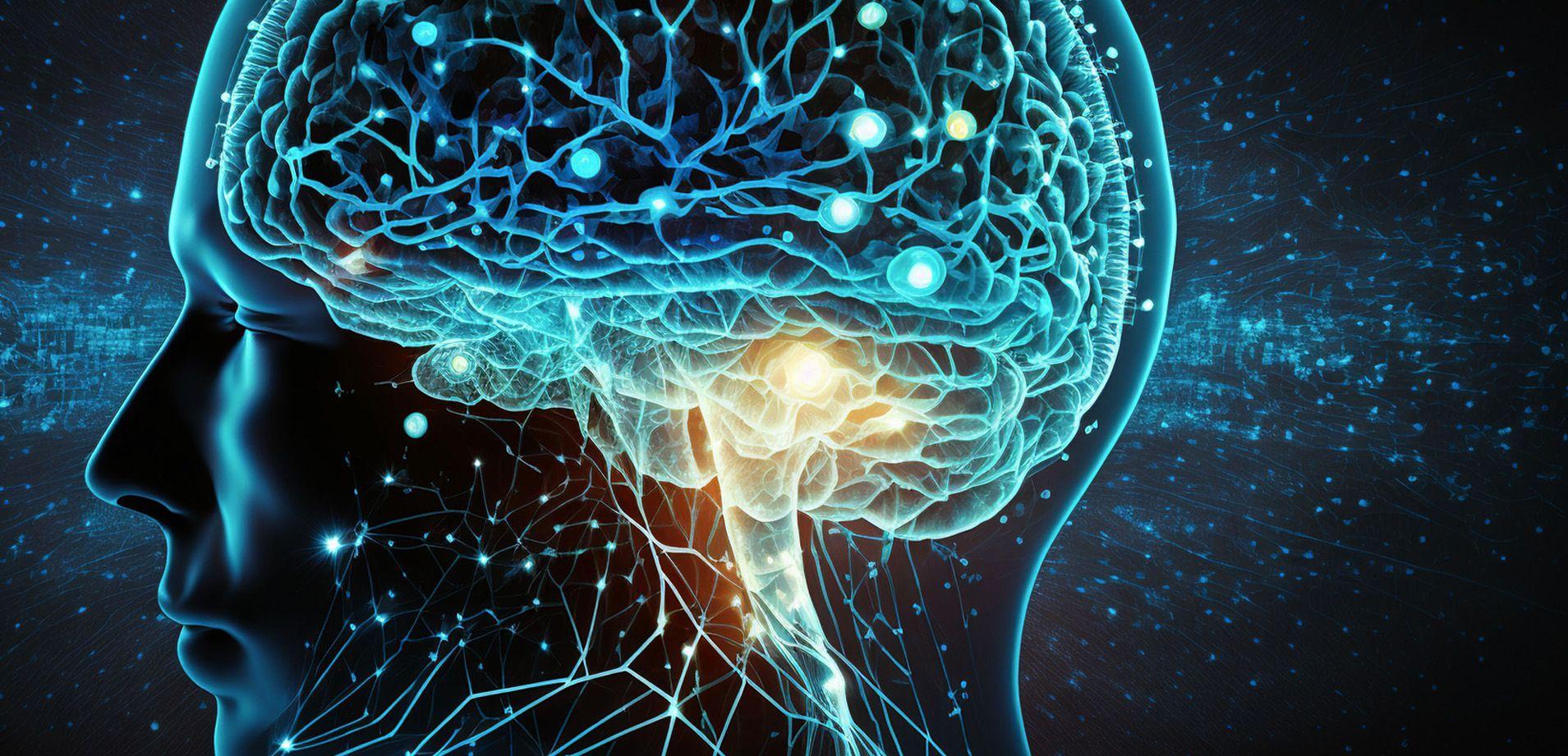
The gut has been referred to as the second brain, signifying the gut-brain axis, a complex and fascinating connection between two of the body's most important systems. Research has revealed that the gut and the brain are interconnected, with bidirectional communication pathways between the enteric nervous system (ENS) of the gastrointestinal tract and the central nervous system (CNS). The gut-brain axis involves a network of neurons, hormones, and immune cells that communicate between the gut and the brain, and it plays a critical role in regulating a wide range of physiological functions, including digestion, mood, and immune function. In this blog, we'll explore the gut-brain axis in more detail, discussing its importance for overall health and well-being and providing practical tips for supporting its health.
The ENS is a complex network of neurons and supporting cells that regulate various digestive functions, including motility, secretion, and absorption of nutrients. The CNS, on the other hand, is responsible for controlling and coordinating many physiological and cognitive processes, such as mood, behavior, immune function, and stress response.
The gut sends signals to the brain via the vagus nerve, while the brain sends signals to the gut via various neurotransmitters and hormones. These signals help to regulate many important physiological functions, including appetite, satiety, energy balance, and immune function. The gut-brain axis is believed to play a role in the development and progression of various gastrointestinal disorders, such as irritable bowel syndrome (IBS), inflammatory bowel disease (IBD), and celiac disease, as well as in neuropsychiatric disorders, such as anxiety, depression, and autism spectrum disorder.
Maintaining a healthy gut-brain axis for overall health and wellbeing is important for several reasons. First, the gut and the brain are connected through a complex network of nerves, hormones, and biochemical signaling pathways, and disruptions to this connection can lead to many different health issues. Research suggests that the gut-brain axis may play a role in the development and progression of certain neurological conditions, such as Alzheimer's disease and Parkinson's disease.
A healthy gut-brain axis can promote good digestion, regular bowel movements, and a strong immune system. Additionally, a healthy gut-brain axis is important for mood regulation and can help protect against anxiety and depression.
By maintaining a healthy gut-brain axis through a healthy diet, regular exercise, stress management, and other lifestyle strategies, we can support our overall health and reduce the risk of a variety of health issues. Remember that the gut-brain axis is complex, and there is no one-size-fits-all approach to promoting its health. However, incorporating these strategies into a daily routine can help to support a healthy gut-brain axis and improve overall health and well-being.
Supplementation can help support the gut-brain axis in several ways. A few examples:
Probiotics: Studies have suggested that probiotics can help improve mood and cognitive function by modulating the gut-brain axis. Probiotics have also been shown to be helpful in reducing symptoms of gastrointestinal disorders, such as IBS.
Prebiotics: Prebiotics are non-digestible fibers that feed the beneficial bacteria in the gut. They have been shown to help promote the growth of beneficial bacteria in the gut, which can in turn help to support the gut-brain axis.
Omega-3 fatty acids: Omega-3 fatty acids are important for brain health. They have been shown to have anti-inflammatory effects and can help support cognitive function. Omega-3 fatty acids can also help to improve gut health and reduce inflammation in the gut.
Magnesium: Magnesium is an essential mineral that plays a role in many physiological processes, including muscle and nerve function, and energy production. Studies have suggested that magnesium can help to reduce stress and anxiety, which can in turn help to support the gut-brain axis.
Vitamin D: Vitamin D is important for bone health, immune function, and mood regulation. Studies have suggested that vitamin D deficiency may be associated with an increased risk of neuropsychiatric disorders, such as depression and anxiety.
It is important to note that while supplements can be helpful in supporting the gut-brain axis, they should not be used as a substitute for a healthy diet and lifestyle. A balanced diet that includes a variety of nutrient-rich foods, regular exercise, and stress management techniques can all help to support the gut-brain axis and promote overall health and well-being.
Bimuno® is a prebiotic supplement that contains galactooligosaccharides (GOS), which are non-digestible fibers that serve as food for beneficial bacteria in the gut microbiome. Bimuno’s effectiveness in modulating the nervous and endocrine systems has been extensively researched in preclinical and human studies.
Bimuno® selectively targets bifidobacteria because it is produced by an enzyme from the probiotic species Bifidobacterium bifidum. When bifidobacteria are fed certain sugars, they can produce prebiotic GOS, containing structures similar to those found in milk. Bimuno’s production process replicates bifidobacteria’s natural mechanism of producing GOS. Bimuno® stimulates the growth of bifidobacteria in the large intestine. A higher presence of bifidobacteria in the gut microbiome has been associated with substances produced by beneficial bacteria such as short chain fatty acids (SCFAs), neuromodulators, its direct and indirect effects on the immune system as well as its anti-pathogenic activity.
The benefits of Bimuno® are many in number. Bimuno® promotes gastrointestinal wellbeing by helping to reduce gas, reduce bloating, and reduce associated abdominal discomfort, and helps maintain regularity. Human trials have proven its capacity to help support immune health by modulating the immune system, increasing anti-inflammatory and decreasing pro-inflammatory biomarkers. Bimuno® has the capability to support cognitive wellbeing, help cope with stress by reducing cortisol levels, and lower anxiety associated with gastrointestinal symptoms. Research has also proven Bimuno’s ability to help improve social skills in autistic children on exclusion diets.
Overall, the gut and the brain are closely connected through a complex network of signaling pathways, and disturbances in the gut-brain axis can contribute to a range of health problems, including gastrointestinal disorders, neurological disorders, and mental health conditions. Maintaining a healthy gut-brain axis can support overall health and reduce the risk of a variety of health issues.
Give your consumers the tools they need to support a healthy gut-brain axis by formulating with Bimuno®!

As interest in eggshell membrane collagen continues to grow

As consumers increasingly seek convenient, outcome-focused wellness solutions

For Stratum Nutrition, industry events are about more than being present;