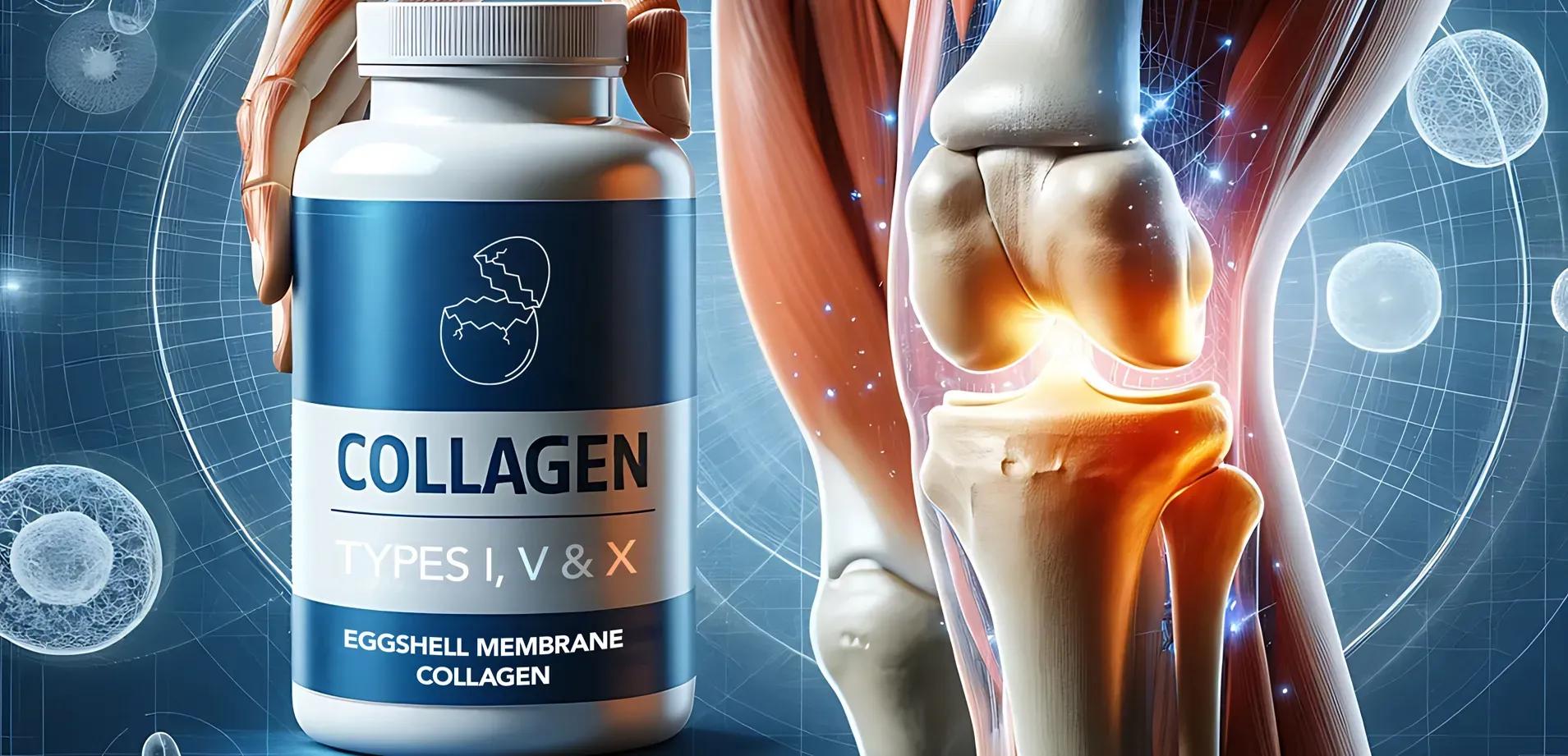
When we think about exercise, sports performance, or even healthy aging, muscles tend to get most of the attention. We talk about building strength, getting enough protein, and helping muscles recover after a workout.
But muscles are only part of the story. 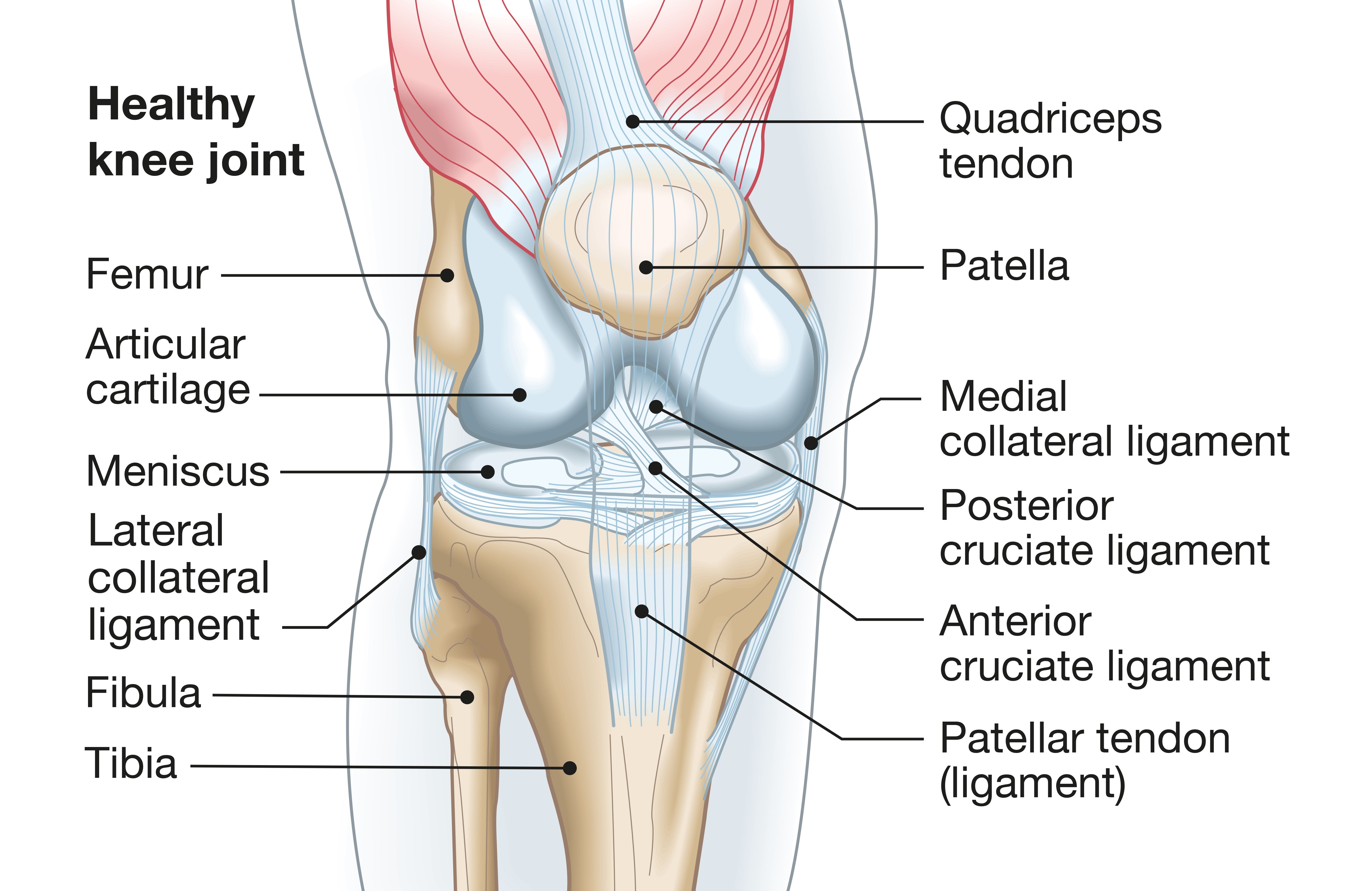
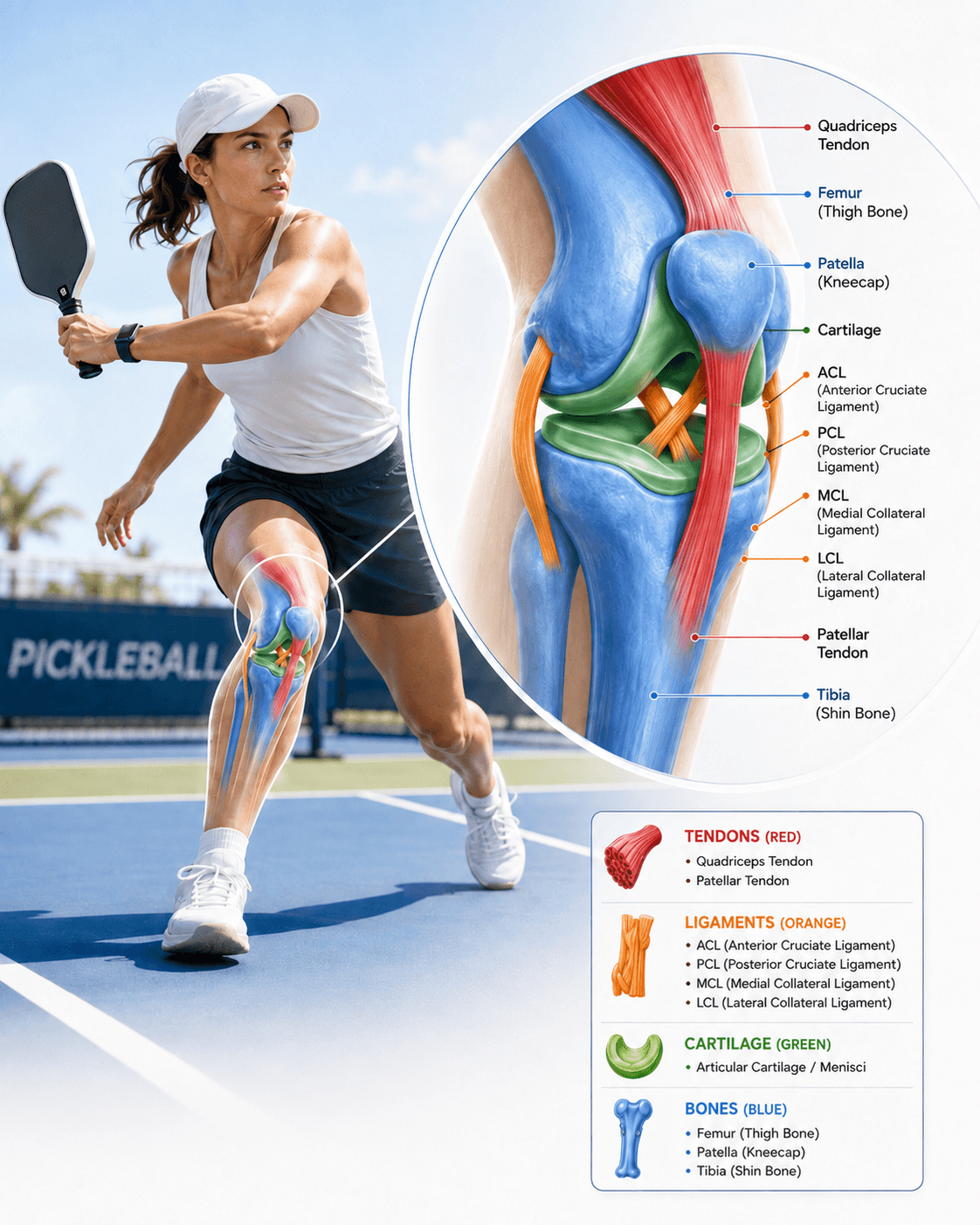
Every time we run, jump, lift, swing a golf club, play pickleball, or simply move through our day, our muscles are working together with our tendons, ligaments, cartilage, joints, bones, and other connective tissues.
Each has a different job. Muscles generate force, tendons help to transfer that force to bones, ligaments help stabilize joints, and cartilage provides a smooth surface for movement and helps distribute forces within the joint.1,2
For anyone who wants to stay active – whether that’s an elite athlete, a weekend runner, or someone who simply wants to keep moving comfortably with age – taking care of the whole system matters.
One Movement Involves a Lot More than Muscle
 Think about an activity like running.
With every stride, the body has to generate and transfer force, stabilize joints, absorb impact, and prepare to do it all over again and again.
The same concept applies to other activities. A basketball player repeatedly jumps, lands, accelerates, and changes direction. A tennis or pickleball player starts, stops, rotates, and moves side to side.
The activity may change, but the underlying principle doesn’t: movement depends on many tissues working together to handle repeated physical demands.
Connective Tissue: The Body’s Support System
“Connective tissue” is a broad term for the tissues that help connect, support, stabilize, and provide structure throughout the body.
Tendons and ligaments are connective tissues. Cartilage is a specialized connective tissue.
While these tissues aren’t identical, they all contain the same components such as collagen, glycosaminoglycans, and proteoglycans.2,3
Collagen, for example, is a major structural protein in connective tissues. In cartilage, the organization of collagen and proteoglycans contributes to the tissue’s ability to withstand and distribute the forces it experiences during movement.2
Tendons and Cartilage: Different Jobs, Same System
Tendons are a great example of why it’s useful to think beyond muscle.
Tendons connect muscle to bone, helping transmit muscular forces to the skeleton. Some tendons can also store and release energy like a spring, aiding in efficient movement during activities like running and jumping.1,4
Muscles and connective tissues can respond differently to training. You may feel stronger or fitter before tendons and other connective tissues have fully adjusted. That’s why it helps to increase mileage, training load, or frequency gradually and give your body time to recover and adapt.5,6
Cartilage has a different job.
Cartilage covers the ends of bones within many joints. It provides a smooth surface for movement while helping distribute loads placed on the joint.2
Unlike many tissues, cartilage doesn’t have its own blood supply, contributing to its limited capacity for intrinsic healing and repair. This makes preserving cartilage health especially important when thinking about long-term movement and joint function. Its extracellular matrix includes a network of collagen, proteoglycans, and glycosaminoglycans that contribute to its ability to endure compression and repeated loading.2
Tendons and cartilage perform different functions, but both contribute to the body’s ability to move and handle physical demands over time.
The Goal isn’t to Avoid Stress – It's to Adapt to It
Phrases like “stress on your joints” or “high-load activity” can sound negative, but mechanical loading isn’t inherently a bad thing. Putting the right amount of stress on the body gives muscles, tendons, and other tissues a reason to adapt and become better prepared for future demands.5,6
The key is finding the right balance between load, adaptation, and recovery.
Training challenges the body, while recovery gives tissues time to respond and adapt. Progressive training, adequate recovery, sleep, nutrition, and other lifestyle factors can all contribute to the body’s ability to meet the demands of an active lifestyle.
Whether you’re training for your first 5k, competing at an elite level, playing weekend tennis, lifting several days a week, or simply staying active with age, the fundamental challenge is the same: the body needs to be able to handle the demands placed on it.
Where Does Nutrition Fit In?
Nutrition provides nutrients involved in the maintenance and remodeling of muscle and connective tissue.
Many of us know protein is important for building and maintaining muscle, but protein also provides amino acids the body uses to build and remodel proteins throughout the body – including collagen.
Collagen is particularly rich in amino acids such as glycine and proline. Researchers have been investigating whether consuming collagen or collagen-derived peptides, especially when combined with exercise, may influence collagen synthesis and aspects of connective tissue recovery. While some studies have reported promising findings, the research is still evolving.7-9
Vitamin C also serves a crucial function, as it’s required for normal collagen synthesis. Citrus fruits, berries, kiwi, peppers, and broccoli are all good dietary sources.10
Physical training and nutrition work alongside one another: physical activity provides signals that make the body build and adapt, while nutrition provides the building blocks for strength and recovery.
Supporting the Whole System
Staying active is about more than muscle. It depends on muscle and connective tissues working together – and adapting to the demands we place on it.
Supporting the whole system can help us keep doing the activities we enjoy, at every stage of life.
References:
1. Magnusson SP, et al. Tendon properties in relation to muscular activity and physical training. Scand J Med Sci Sports. 2003;13(4):211–223.
2. Sophia Fox AJ, et al. The basic science of articular cartilage: structure, composition, and function. Sports Health. 2009;1(6):461–468.
3. Kannus P. Structure of the tendon connective tissue. Scand J Med Sci Sports. 2000;10(6):312–320.
4. Kirkendall DT, Garrett WE. Function and biomechanics of tendons. Scand J Med Sci Sports. 1997;7(2):62–66.
5. Bohm S, Mersmann F, Arampatzis A. Human tendon adaptation in response to mechanical loading: a systematic review and meta-analysis of exercise intervention studies on healthy adults. Sports Med Open. 2015;1:7.
6. Wiesinger HP, Kösters A, Müller E, Seynnes OR. Effects of increased loading on in vivo tendon properties: a systematic review. Med Sci Sports Exerc. 2015;47(9):1885–1895.
7. Shaw G, et al. Vitamin C-enriched gelatin supplementation before intermittent activity augments collagen synthesis. Am J Clin Nutr. 2017;105(1):136–143.
8. Bischof K, et al. Impact of collagen peptide supplementation in combination with long-term physical training on strength, musculotendinous remodeling, functional recovery, and body composition in healthy adults: a systematic review with meta-analysis. Sports Med. 2024;54(11):2865–2888.
9. Kirmse M, et al. Collagen peptide supplementation during training does not further increase connective tissue protein synthesis rates. Med Sci Sports Exerc. 2024;56(12):2296–2304.
10. National Institutes of Health, Office of Dietary Supplements. Vitamin C: Fact Sheet for Health Professionals.
Women In Nutraceuticals (WIN) Companies Unite to Showcase Outcome-Focused Supplement Innovation at SupplySide Global
As consumers increasingly seek convenient, outcome-focused wellness solutions

Vitafoods Asia 2026: Strengthening Connections and Exploring Opportunity Across APAC
For Stratum Nutrition, industry events are about more than being present;

Stratum Nutrition's OVOLUX® Receives 2026 Ingredient Choice Award for Nutri-Beauty
OVOLUX® has been named the 2026 Ingredient Choice Award winner



.svg-6af5dfb7ccef8f01d163f9ebdf2f0df6.svg)
