

In the evolving world of health and wellness, the idea that AI is being used to formulate your next product may sound futuristic or even unsettling to some. But as generative AI and data analytics weave deeper into nutraceutical research and development, they are reshaping how ingredients are discovered, formulations created, and trends predicted. So, should consumers be cautious, or is this a leap forward for the industry?
Formulation itself is becoming more intelligent. Some R&D teams now employ “digital twins” and generative models to simulate the performance of ingredient combinations, predicting how they’ll interact, degrade, or enhance each other before even entering a lab. This drastically cuts down on the time involved in the development phase and could improve formulation efficiency.
Beyond formulation, AI is a powerful tool for forecasting market trends. Advanced systems analyze social media conversations, search engine data, and monitor purchasing behavior to anticipate rising health interests. These tools are reported to predict shifts in demand with up to 85% accuracy, helping companies launch products aligned with current and future consumer needs. At the same time, AI improves operational efficiency by optimizing inventory and supply chains, reducing costs, and helping to avoid ingredient and product shortages.
Personalized nutrition is another frontier being shaped by AI. Some companies are already using individual data such as DNA, microbiome profiles, or lifestyle inputs to recommend tailored supplement regimens. These AI-driven experiences are shown to increase customer satisfaction and retention. Furthermore, AI has the potential to enhance product safety, drive product development, aid in maintaining regulatory compliance, identify ingredient interactions, and review labeling for accuracy.
But does this mean consumers should be worried? Not necessarily. While AI is undeniably accelerating innovation, it’s crucial to remember that it is a tool that should support, NOT REPLACE, human oversight. AI cannot independently validate safety or efficacy. Trusted supplement brands should still rely on human experts for clinical testing, regulatory compliance, and ethical data use. Transparency is key. When a supplement is “AI-formulated,” it’s worth asking who validated the formulation, if it is supported by safety and clinical data, and how the company integrates AI into their processes.
Ultimately, AI is not something to fear but rather a tool to add to the arsenal. When applied responsibly, it empowers faster, smarter, and more personalized nutrition without sacrificing quality. Consumers should stay informed and curious, but rest assured that the most trusted brands are still run by humans who possess the care and empathy that AI cannot.
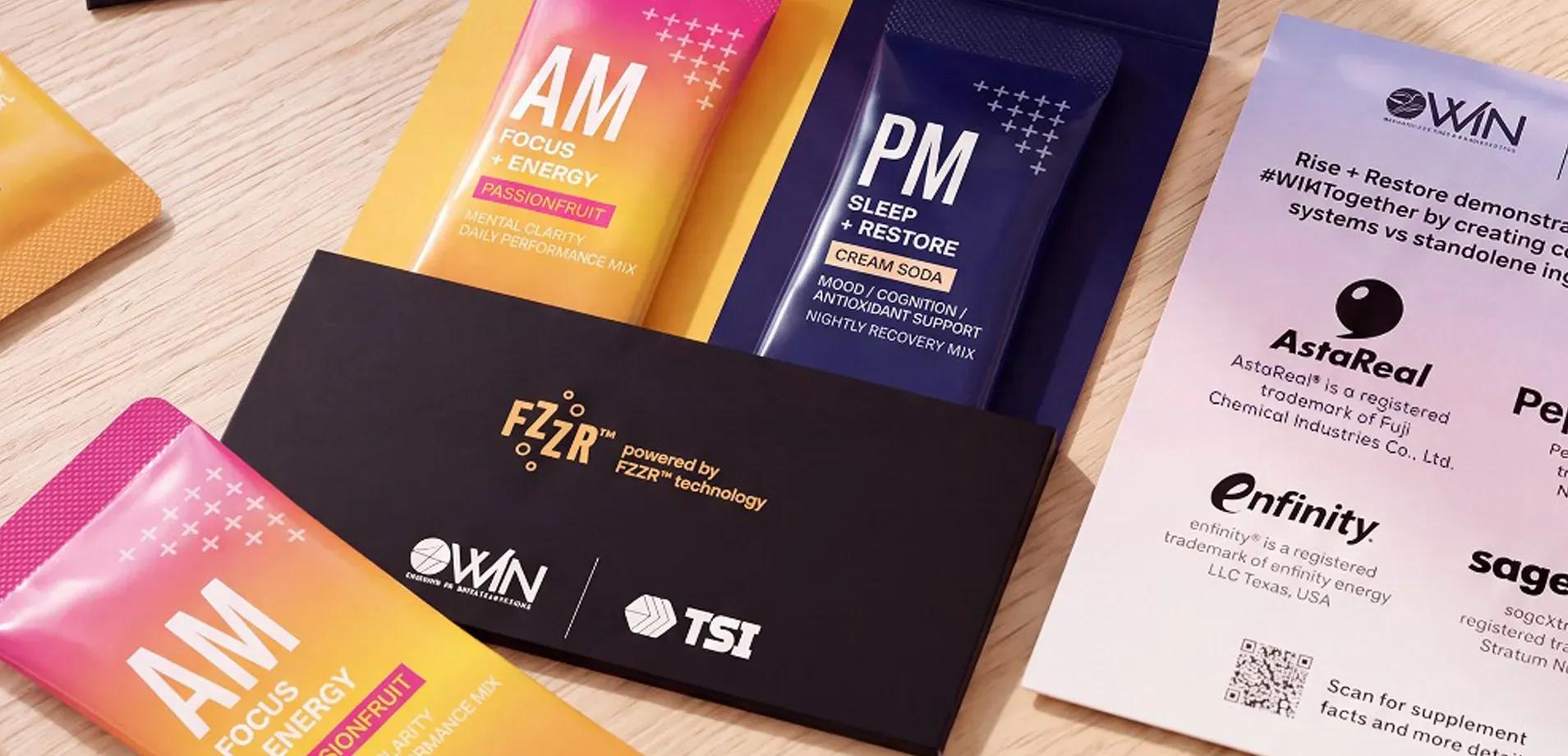
Women In Nutraceuticals (WIN) Companies Unite to Showcase Outcome-Focused Supplement Innovation at SupplySide Global
As consumers increasingly seek convenient, outcome-focused wellness solutions

Vitafoods Asia 2026: Strengthening Connections and Exploring Opportunity Across APAC
For Stratum Nutrition, industry events are about more than being present;

Stratum Nutrition's OVOLUX® Receives 2026 Ingredient Choice Award for Nutri-Beauty
OVOLUX® has been named the 2026 Ingredient Choice Award winner



.svg-6af5dfb7ccef8f01d163f9ebdf2f0df6.svg)
